5 Axis Laser Cutting The Ultimate Tool for Custom Projects
Understanding 5 Axis Laser Cutting Technology
What is 5 Axis Laser Cutting?
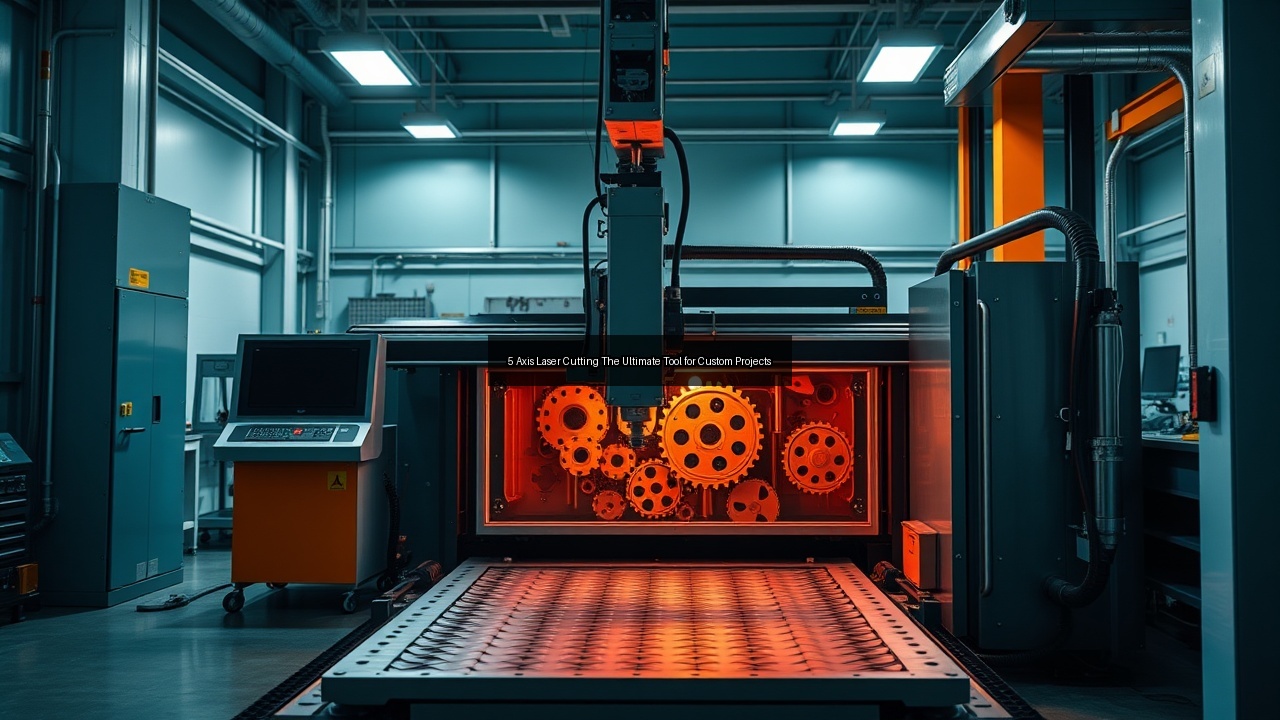
5 axis laser cutting stands out as an advanced method in the laser cutting process, allowing for intricate and precise cuts that traditional methods cannot achieve. In five axis laser cutting this technique, the laser cutter operates along five axes, offering multidirectional movement and enabling the machine to manipulate the laser with a higher degree of freedom. This capability allows for complex geometries and designs, making it the preferred choice for custom projects that demand unparalleled accuracy and detail. Unlike standard 2D or 3D laser cutting, 5 axis laser cutting can approach materials from various angles, ensuring superior edge quality and minimal waste. The result is not just a laser-cut component but a meticulously crafted piece that meets the specific requirements of various applications.
The Evolution of Laser Cutting Technology
Over the years, laser cutting technology has undergone significant advancements, evolving from simple systems to highly sophisticated machines. Initially, laser cutting focused on 2D applications, primarily in metal fabrication. As industries demanded more complex designs, manufacturers developed 3D laser cutting techniques. The introduction of 5 axis laser cutting marked a pivotal moment in this evolution. This technology incorporates a rotating head that allows for intricate angles and curves, enhancing the capabilities of laser cutting services. Today, 5 axis laser cutting is synonymous with innovation in engineering, enabling designers and manufacturers to push the boundaries of what is possible in custom projects.
Key Components of a 5 Axis Laser Cutter
A 5 axis laser cutter consists of several key components that contribute to its functionality and precision. The laser source, typically a fiber or CO2 laser, generates the laser beam used for cutting. The CNC (computer numerical control) system operates the cutter, interpreting design files from software like CAM (computer-aided manufacturing). The machine’s mechanics include the moving arms and rotating head, which facilitate the five axes of motion. Additionally, the optics system focuses the laser beam onto the material, ensuring that it achieves the necessary intensity for five axis laser cutting cutting. Each of these components works in harmony, allowing for a seamless laser cutting process that delivers high-quality results across various materials, including metals, plastics, and composites.
Applications of 5 Axis Laser Cutting in Custom Projects
Versatility in Metal Fabrication
5 axis laser cutting excels in metal fabrication, showcasing exceptional versatility across various industries. It allows for the precise cutting of intricate shapes and detailed designs in metals like stainless steel, aluminum, and titanium. This capability is particularly valuable in sectors that demand high-quality parts, such as aerospace, automotive, and construction. The technology enables manufacturers to produce components with complex geometries, which are often unachievable through traditional cutting methods. Whether creating brackets, housings, or decorative elements, 5 axis laser cutting ensures that each piece meets exact specifications, reducing the need for extensive post-processing and speeding up production timelines.
HVAC and Stamping Industries
In the HVAC industry, 5 axis laser cutting plays a crucial role in the fabrication of ductwork, fittings, and related components. The precision of this technology ensures that parts fit together seamlessly, improving system efficiency and reducing the likelihood of leaks. Similarly, in the stamping industry, manufacturers utilize 5 axis laser cutting for creating dies and tools that require intricate detailing. The ability to cut, engrave, and mark materials with high precision enhances the quality of stamped parts, making them more reliable and durable. As these industries continue to evolve, the adoption of advanced laser cutting services becomes essential for maintaining competitiveness and meeting customer demands.
Innovative Uses in Engineering and Design
Engineers and designers increasingly rely on 5 axis laser cutting for innovative solutions in product development. This technology allows for rapid prototyping and the creation of complex models that push the boundaries of design. Architectural firms utilize 5 axis laser cutters to create intricate facades and structural components, while product designers leverage the technology to fabricate unique consumer products. The ability to quickly iterate on designs and produce high-fidelity prototypes accelerates the development cycle, enabling companies to bring their products to market faster. From custom furniture to intricate artwork, the applications of 5 axis laser cutting in engineering and design are limited only by imagination.
Benefits of 5 Axis Laser Cutting Services
Precision and Accuracy in Laser Cuts
One of the most significant advantages of 5 axis laser cutting is the precision and accuracy it offers. The ability to manipulate the laser cutter along five axes allows for intricate designs that require a high level of detail. This ensures that each cut is clean and precise, minimizing material waste and reducing the need for rework. The technology maintains consistent tolerances, crucial for industries where even minor deviations can lead to significant issues. As a result, businesses that invest in 5 axis laser cutting services can produce components that meet stringent quality standards, ultimately enhancing their reputation and customer satisfaction.
Efficiency in Production and Cost-Effectiveness
5 axis laser cutting enhances efficiency in production processes, leading to significant cost savings. The speed of this cutting technology means manufacturers can handle larger volumes of work within shorter timeframes. Additionally, the precision of laser cuts reduces material waste, further lowering production costs. The integration of advanced software and CNC machining with 5 axis laser cutting streamlines the workflow, allowing for quicker turnaround times on custom projects. Companies that leverage these services often experience improved profit margins and a faster return on investment, making 5 axis laser cutting not just a technological advancement but a strategic business decision.
Comparison with Traditional Laser Cutting Techniques
When comparing 5 axis laser cutting to traditional laser cutting techniques, several distinct advantages emerge. Traditional methods often limit movement to one or two dimensions, constraining design possibilities. In contrast, 5 axis laser cutting accommodates complex geometries and intricate details with ease. Furthermore, the precision of 5 axis cutting significantly reduces the need for secondary operations, which can add time and cost to the production process. While traditional laser cutting may still be suitable for simpler projects, the advanced capabilities of 5 axis laser cutting position it as the superior choice for custom applications that demand precision, speed, and versatility.
Choosing the Right 5 Axis Laser Cutting Service
Factors to Consider When Selecting a Laser Cutting Service
Selecting the right 5 axis laser cutting service requires careful consideration of several factors. First, assess the service provider's experience and expertise in handling complex projects. Look for a company that has a proven track record in the specific materials and industries relevant to your needs. Additionally, consider the range of capabilities offered by the service, including the types of materials they can process and the intricacies of their laser cutting technology. Cost is another critical factor; while quality should not be compromised, ensure that the pricing aligns with your budget. Lastly, evaluate their customer service and support, as effective communication is essential for successful collaboration on custom projects.
Software and CNC Machining Integration
The integration of software and CNC machining is vital when selecting a 5 axis laser cutting service. Advanced software systems, such as CAD/CAM, streamline the design and manufacturing process, allowing for efficient file transfers and precise control of the laser cutter. Ensure that the service provider utilizes up-to-date software that enhances design capabilities and optimizes cutting paths for efficiency. Additionally, effective CNC machining integration allows for seamless operation between design and manufacturing, enabling quick adjustments and modifications as needed. This capability not only improves turnaround times but also enhances the overall quality of the final product.
Future Trends in Laser Cutting Services
The future of laser cutting services, particularly 5 axis cutting, looks promising as technology continues to evolve. Innovations in laser cutting equipment and software will enhance precision and efficiency even further. The growing demand for customization across various industries will drive advancements in automation and machine learning integration, enabling faster production cycles and improved design flexibility. Additionally, developments in laser materials and cutting techniques will allow for even greater versatility in the types of projects that can be undertaken. As these trends unfold, businesses that stay ahead of the curve will undoubtedly reap the benefits of advanced 5 axis laser cutting technology.