Licensing and Compliance in Modular Skid Fabrication
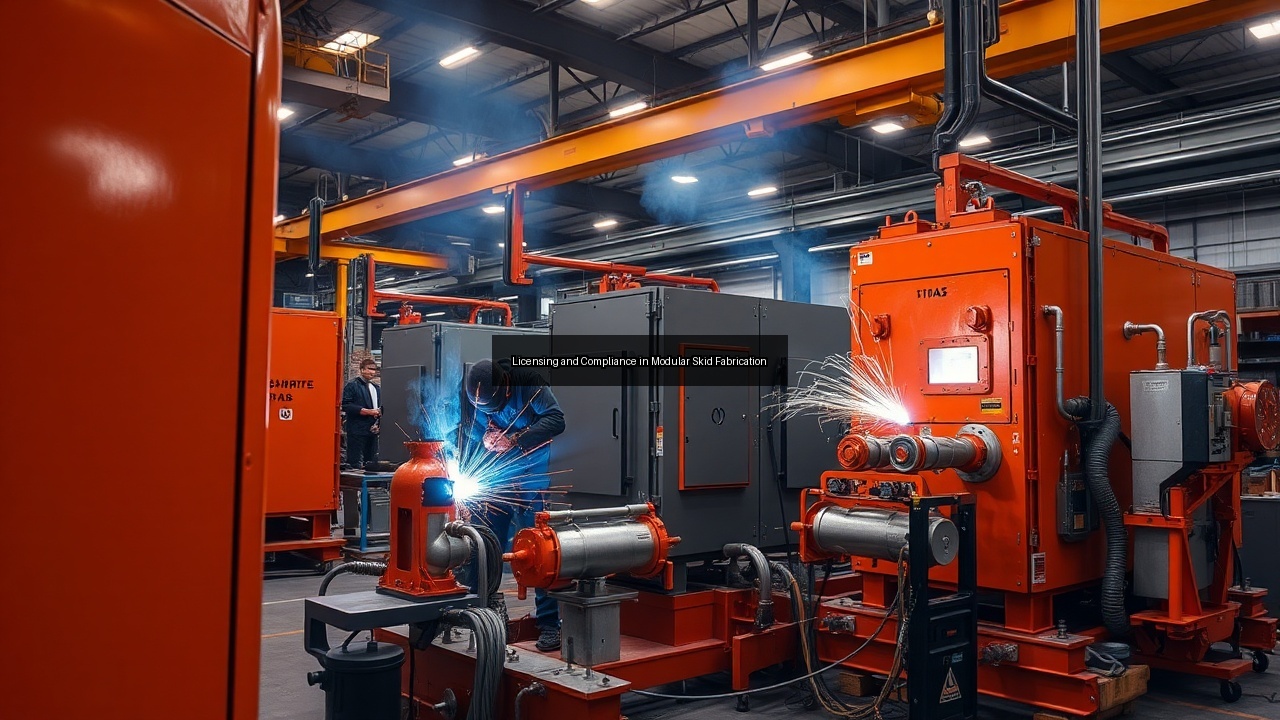
Understanding Modular Skid Fabrication
What are Modular Process Skids?
Modular process skids serve as self-contained units designed to facilitate various industrial operations. These pre-assembled systems integrate several components, including pumps, valves, and control systems, all mounted on a single framework or skid. The modular design allows for easier transportation and installation, making these skids particularly advantageous for industries that require flexibility and efficiency. Each skid is tailored to specific operational needs, ensuring that the equipment operates seamlessly in its intended environment. The versatility of modular skids makes them essential in sectors such as oil and gas, where rapid deployment and adaptability are often critical.
Importance of Modular Skids in the Oil and Gas Industry
In the oil and gas industry, modular skids play a vital role in enhancing productivity and reducing on-site construction time. These skids streamline complex processes by integrating multiple functionalities into a compact design, enabling quicker setup and deployment in remote locations. Furthermore, the modular nature of these systems minimizes the need for extensive construction, reducing labor costs and project timelines. Skids also enhance safety and compliance by allowing manufacturers to pre-test systems before shipment, ensuring that they meet industry standards. This proactive approach to safety and efficiency strengthens operational reliability, making modular skids invaluable in oil and gas operations.
Key Components in Skid Fabrication
The fabrication of modular skids involves several key components that ensure functionality and durability. Essential elements include structural frames, piping systems, electrical enclosures, and various control instruments. Skilled manufacturers pay close attention to the materials used in fabrication, often selecting high-quality alloys that withstand harsh operational environments. Additionally, the welding process is critical, requiring expert technicians to ensure that joints are robust and leak-proof. Quality management systems play a significant role in overseeing these components throughout the fabrication process, ensuring that each skid meets rigorous safety and quality standards. By focusing on these elements, companies can deliver reliable and efficient modular process systems.
Licensing and Regulatory Compliance
Required Licenses for Skid Fabrication Companies
Licensing remains essential for skid fabrication companies to operate legally and ensure compliance with industry regulations. Depending on the geographical location and specific industry, companies may need to acquire various licenses, including those related to manufacturing, safety, and environmental standards. For instance, companies operating in the oil and gas sector must often comply with stringent regulations set forth by agencies such as the Occupational Safety and Health Administration (OSHA) and the Environmental Protection Agency (EPA). Acquiring these licenses not only enhances a company’s credibility but also protects them from potential legal issues that may arise from non-compliance.
Navigating Compliance in Modular Skid Manufacturing
Compliance in modular skid manufacturing involves adhering to a complex framework of local, state, and federal regulations. Companies must implement processes that ensure each skid meets safety standards and operates efficiently within its designated environment. This includes regular inspections, reporting of compliance metrics, and adherence to manufacturing best practices. Additionally, companies often engage experts to assist in navigating compliance challenges, ensuring that they are aware of any updates or changes in regulations. By prioritizing compliance, manufacturers can foster trust with clients and stakeholders, ultimately enhancing their reputation in the industry.
Risk Management Strategies in Skid Fabrication
Effective risk management strategies are crucial in skid fabrication to mitigate potential issues that could arise during production or deployment. Companies should conduct thorough risk assessments to identify vulnerabilities in their processes, such as potential equipment failures or compliance breaches. Implementing robust quality control measures serves as a proactive approach, ensuring that every modular skid undergoes rigorous testing before deployment. Furthermore, ongoing staff training enhances safety awareness and operational efficiency. By fostering a culture of safety and compliance, skid fabrication companies can reduce risks, ensuring smooth operation and minimizing costly delays or incidents.
Quality Control and Assurance in Skid Fabrication
Quality Management Systems in Modular Skid Production
Quality management systems (QMS) are integral to the modular skid production process. A well-implemented QMS ensures that every aspect of fabrication, from design to welding, meets industry standards and customer expectations. This system involves establishing clear protocols for inspections and testing, documenting processes, and continuously improving practices based on feedback and performance metrics. Companies often invest in training staff on QMS principles, enabling them to identify and rectify issues promptly. By prioritizing quality throughout the fabrication process, companies can enhance customer satisfaction and establish a reputation for delivering reliable modular skids.
Technologies Enhancing Quality Assurance
Modern technologies significantly enhance quality assurance in skid fabrication. Advanced software tools for design and simulation allow manufacturers to visualize the skid’s performance before physical production. Additionally, automated welding techniques and precision machining equipment ensure that components fit together seamlessly, reducing the likelihood of defects. Utilizing technologies like 3D printing can streamline prototyping, allowing skid fabrication shop for rapid adjustments and innovations in design. These technologies not only improve the quality of the final product but also increase efficiency and reduce waste in the fabrication process, positioning companies as leaders in the competitive market.
Fabrication Process: Ensuring Safety and Compliance
Ensuring safety and compliance throughout the fabrication process is paramount for skid manufacturers. This begins with selecting the right materials and implementing stringent welding standards. Companies must conduct regular safety audits and training sessions for their workforce to promote a culture of safety. Furthermore, maintaining clear communication between team members involved in the fabrication process enhances collaboration and oversight. Employing best practices, such as adhering to established guidelines for handling hazardous materials, ensures that the entire fabrication process remains compliant with safety regulations. By integrating safety and compliance measures into everyday practices, manufacturers can minimize risks and protect their workforce.
Cost Considerations and Best Practices
Cost Factors in Custom Skid Fabrication
Several cost factors come into play when considering custom skid fabrication. Material selection significantly influences the overall cost; high-quality alloys may incur higher initial expenses but can offer durability and longevity. Labor costs also contribute to the total, as skilled technicians are essential for ensuring quality welding and assembly. Other factors include design complexity, project timelines, and the need for specialized equipment. Companies must evaluate these cost components carefully to provide accurate estimates and maintain profitability while delivering high-quality modular skids. Understanding these factors allows manufacturers to make informed decisions throughout the fabrication process.
Choosing the Right Skid Fabrication Company
Selecting the right skid fabrication company is crucial for successful project outcomes. Companies should look for manufacturers with a proven track record in producing high-quality modular skids and a commitment to safety and compliance. Evaluating customer testimonials and case studies can provide insight into a company’s capabilities and reliability. Additionally, assessing the company’s quality management systems skid fabrication shop and technologies can indicate their commitment to excellence. Engaging in open communication about project requirements and timelines is vital to ensuring that both parties are aligned, ultimately leading to a successful partnership.
Best Practices for Efficient Skid Design and Manufacturing
Implementing best practices in skid design and manufacturing enhances efficiency and quality. Companies should prioritize modularity in design, allowing for easier modifications and scalability. Utilizing advanced design software enables precise calculations and simulations, reducing errors during fabrication. Collaboration between engineers and technicians fosters innovation in the design phase, ensuring that each skid meets operational requirements. Regular training sessions for staff on the latest fabrication techniques and technologies also contribute to enhanced efficiency. By adhering to best practices, manufacturers can deliver high-quality, cost-effective modular skids that meet industry standards and client expectations.