The Benefits of Investing in a High-Capacity Commercial Dehumidifier
Understanding the Importance of Commercial Dehumidifiers
What is a Commercial Dehumidifier?
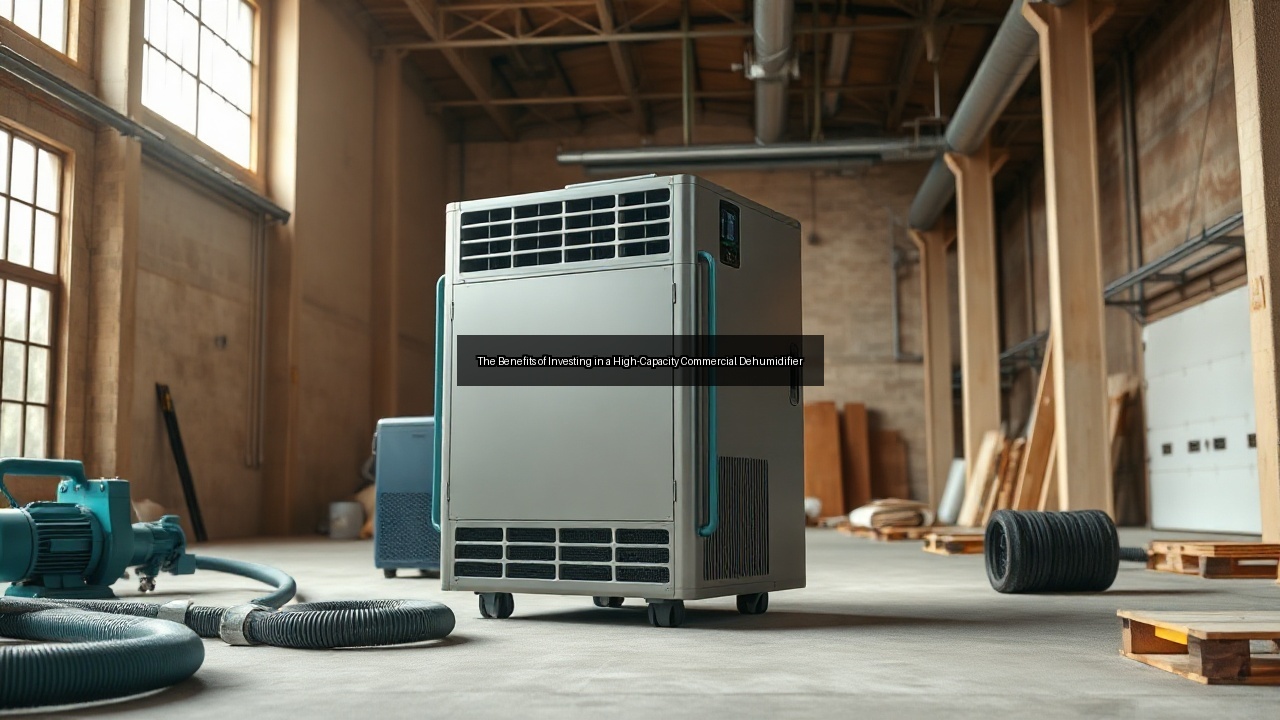
A commercial dehumidifier is a powerful appliance designed to remove excess moisture from the air in large spaces. These units differ from residential dehumidifiers in both capacity and functionality. High-capacity commercial dehumidifiers can efficiently handle vast areas, often measured in pints of moisture removed per day, making them essential for businesses such as warehouses, spas, and construction sites. Their construction is robust, capable of sustaining continuous operation, and they often incorporate advanced features like digital controls and automatic shut-off systems to enhance user convenience. By maintaining optimal humidity levels, these dehumidifiers help create healthier indoor environments and protect valuable assets.
The Role of Humidity Control in Commercial Spaces
Humidity control plays a critical role in maintaining the integrity and health of commercial spaces. Too much moisture can lead to a host of problems, including mold growth, structural damage, and an uncomfortable environment for employees and customers alike. High humidity levels can also affect equipment and products stored in warehouses, leading to spoilage or damage. Implementing a commercial dehumidifier mitigates these risks by maintaining balanced humidity levels. This not only protects physical assets but also enhances the overall air quality. By investing in a high-capacity dehumidifier, businesses can ensure that they operate efficiently and maintain a safe environment for their staff and clientele.
Impact of Moisture on Construction and Warehouses
Moisture significantly impacts construction projects and warehouse operations. In construction, excess humidity can delay curing times for concrete and compromise the integrity of building materials. It may also lead to the growth of mold and mildew, creating health hazards and potential legal issues for contractors. In warehouses, moisture can damage inventory, particularly items sensitive to humidity, such as electronics and textiles. Utilizing a commercial dehumidifier in these environments helps control humidity, ensuring that materials remain dry and projects stay on schedule. By addressing moisture issues proactively, businesses safeguard their investments and promote efficiency in their operations.
Key Benefits of High-Capacity Commercial Dehumidifiers
Enhanced Air Quality and Mold Prevention
High-capacity commercial dehumidifiers significantly enhance air quality by controlling humidity levels and preventing mold growth. Mold thrives in damp environments, leading to health issues such as allergies, respiratory problems, and other serious conditions. By maintaining humidity levels between 30% and 50%, these dehumidifiers create an inhospitable environment for mold spores. Enhanced air quality not only protects the health of employees and customers but also improves overall comfort within the space. In environments like spas, gyms, and warehouses, where humidity levels can fluctuate, investing in a high-capacity dehumidifier is crucial for maintaining a safe and pleasant atmosphere.
Energy Efficiency and Cost Savings
Investing in a high-capacity commercial dehumidifier can lead to significant energy savings. Many modern units feature Energy Star ratings, indicating they use less energy without sacrificing performance. By efficiently removing moisture from the air, these dehumidifiers reduce the workload on HVAC systems, leading to lower energy consumption and utility bills. Over time, the cost savings from reduced energy use can offset the initial investment in the dehumidification unit. Businesses can allocate these savings to other operational areas, enhancing overall profitability. Choosing an energy-efficient model ensures that companies not only save money but also contribute to environmental sustainability.
Improved Drying Processes in Various Environments
High-capacity commercial dehumidifiers excel in improving drying processes across various settings. In construction, they expedite the drying of materials like plaster and concrete, allowing projects to progress without delays. In warehouses, these units help maintain optimal conditions for products requiring specific humidity levels, reducing spoilage and damage. In post-flooding situations, commercial dehumidifiers provide emergency drying solutions, quickly removing excess water to prevent structural damage and health risks commercial dehumidifier unit associated with prolonged moisture exposure. The efficiency of these units in effectively managing humidity enhances operations and supports better outcomes in any environment that requires controlled drying processes.
Features to Consider When Investing in a Commercial Dehumidifier
Pint Capacity and Coverage Area
When choosing a commercial dehumidifier, pint capacity and coverage area are critical factors. A unit’s capacity refers to the amount of moisture it can remove from the air in a day, generally ranging from a few pints to several hundred pints for high-capacity models. The coverage area indicates the size of the space the dehumidifier can effectively manage. Businesses must evaluate the size of their space and the specific humidity levels they experience to select a unit that meets their needs. A properly sized dehumidifier ensures optimal performance and efficient moisture control, preventing overworking the unit and prolonging its lifespan.
Pump and Hose Options for Efficient Water Removal
Efficient water removal is essential for the effectiveness of a commercial dehumidifier. Many high-capacity models come equipped with built-in pumps that facilitate continuous drainage of collected water. This feature is particularly beneficial in environments where frequent emptying of the water tank would be impractical, such as large warehouses or construction sites. Additionally, hose options allow for direct drainage to a floor drain, further simplifying the process. Understanding the pump and hose options available ensures that businesses can select a dehumidifier that aligns with their operational requirements and minimizes maintenance efforts.
Air Flow Rate (CFM) and Its Importance
The air flow rate, measured in cubic feet per minute (CFM), indicates the volume of air the dehumidifier can process. A higher CFM allows for more efficient moisture removal and improved indoor air quality. When choosing a commercial dehumidifier, consider the CFM in relation to the size of the space. A unit with an insufficient air flow rate may struggle to maintain desired humidity levels, while one with an excessive CFM could lead to over-drying. Selecting a dehumidifier with the appropriate air flow rate ensures effective humidity control, contributing to a healthier environment and reducing energy costs.
Heat and Temperature Management in Dehumidification
Heat and temperature management play vital roles in the dehumidification process. As dehumidifiers remove moisture from the air, they can generate heat, affecting the overall temperature of the space. Some high-capacity commercial dehumidifiers incorporate advanced temperature management features, ensuring that they can operate efficiently without causing discomfort in the environment. These models often maintain a balanced temperature while effectively reducing humidity levels. Businesses should consider how temperature management will impact their specific environment to select a unit that meets both humidity and temperature control needs.
Applications and Use Cases for High-Capacity Dehumidifiers
Utilizing Dehumidifiers in HVAC Systems
Integrating high-capacity commercial dehumidifiers with HVAC systems enhances indoor air quality and overall comfort. When humidity levels exceed recommended thresholds, HVAC systems often struggle to maintain optimal temperatures. By incorporating a dehumidifier, businesses can alleviate this burden, allowing HVAC systems to focus on temperature control. This integration can lead to improved energy efficiency and reduced wear on HVAC equipment, ultimately extending its lifespan. Industries that benefit from this integration include healthcare, education, and hospitality, where maintaining a comfortable environment is crucial for occupants’ health and satisfaction.
Commercial Spaces: Warehouses, Spas, and More
High-capacity commercial dehumidifiers are vital in various commercial spaces, including warehouses, spas, gyms, and more. In warehouses, they protect inventory from moisture damage, while in spas and gyms, they enhance comfort by regulating humidity levels for a pleasant experience. These dehumidifiers help prevent mold growth and maintain air quality, which is especially important in environments with high foot traffic. Businesses focusing on customer experience often find that investing in a high-capacity dehumidifier pays off by creating a more inviting atmosphere and protecting their assets.
Post-Flooding Situations and Emergency Drying Solutions
In the aftermath of flooding, high-capacity commercial dehumidifiers serve as essential tools for emergency drying solutions. They rapidly extract moisture from affected areas, helping to minimize damage and health risks associated with prolonged dampness. Facilities such as schools, offices, and hospitals benefit significantly from these units during restoration efforts. Quick action can prevent mold growth and structural damage, preserving the integrity of the building and ensuring the safety of its occupants. Investing in a robust dehumidification solution proves crucial for businesses that may face flooding or water damage, providing peace of mind and swift recovery.
See Also
- Understanding CFM Ratings in Commercial Dehumidifiers for Optimal Performance
- Maximize Your Space with the Right Commercial Dehumidifier
- Exploring Different Types of Commercial Dehumidifiers for Various Needs
- Understanding the Sound Pressure Level of Your Dehumidifier
- The Hidden Costs of Not Using a Commercial Dehumidifier