Understanding the Wiring Needs of Rotating Electrical Connectors
The Basics of Rotating Electrical Connectors
What Are Rotating Electrical Connectors?
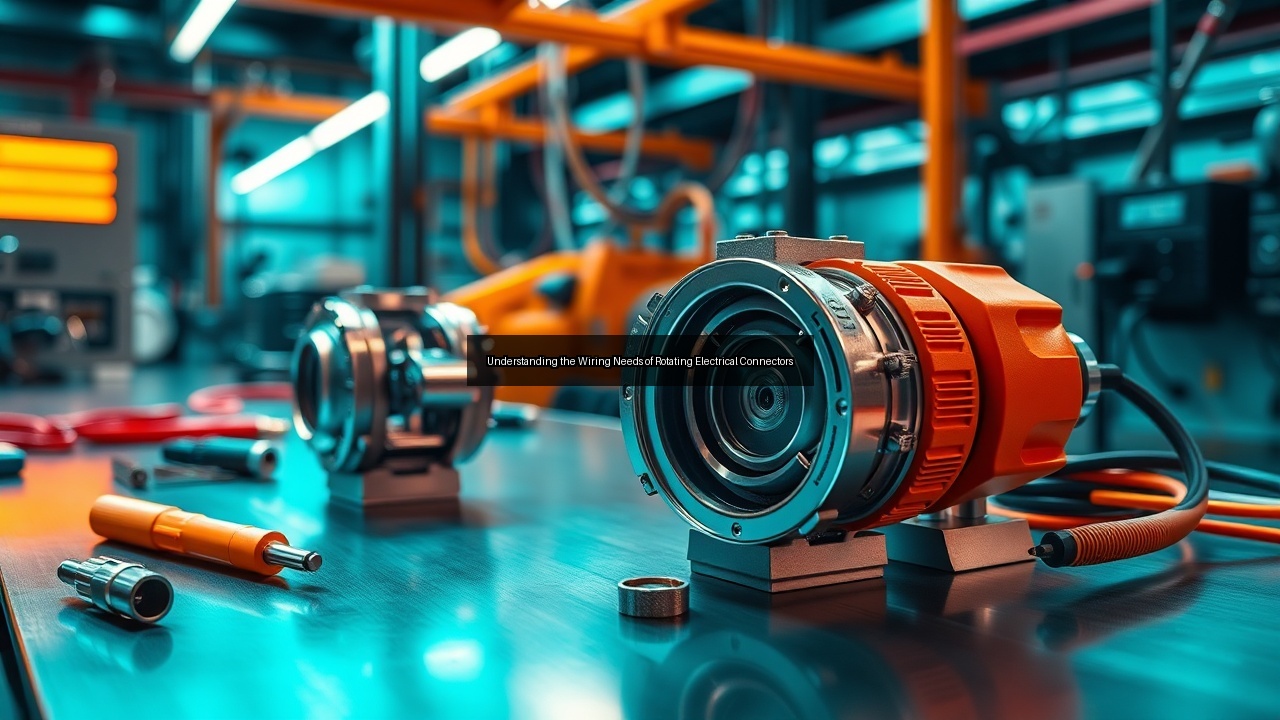
Rotating electrical connectors, often referred to as slip rings, facilitate the transmission of power and data from a stationary structure to a rotating one. These connectors play a crucial role in various applications, including wind turbines, cranes, and robotics, where rotation is a fundamental requirement. By allowing electrical continuity between stationary and moving parts, rotating electrical connectors eliminate the need for cumbersome cables that could tangle or wear out over time. Their design enables smooth operation while maintaining a consistent electrical connection, which is vital for equipment that requires continuous power and communication. Understanding the function and utility of rotating electrical connectors opens the door to optimizing designs in modern machinery.
In addition to traditional applications, rotating electrical connectors are also increasingly used in advanced technologies such as automated machinery, medical devices, and aerospace systems. As industries continue to evolve and demand higher efficiency and reliability, the role of these connectors is becoming even more significant. Their ability to provide seamless connectivity in dynamic environments underscores their importance in designing innovative solutions.
Key Components of Rotating Electrical Connectors
Rotating electrical connectors feature several key components that ensure their effective performance. The most critical elements include the rotor, stator, and electrical contacts. The rotor is the rotating part, while the stator remains stationary. Electrical contacts allow the flow of electricity between these two components. High-quality materials are often used in the construction of these parts to withstand wear and tear, ensuring longevity. Additionally, insulation materials prevent short circuits and protect against environmental factors. Finally, bearings within the connectors facilitate smooth rotation, reducing friction and extending the connector's lifespan.
Moreover, the design of the electrical contacts can vary significantly, with options such as brush-type and contactless designs each offering unique advantages. Brush-type contacts are more common and are usually made from conductive materials like gold or silver, ensuring low resistance and reliable connectivity. In contrast, contactless designs utilize electromagnetic fields to transmit power and signals without physical contact, which can significantly reduce wear and extend the lifespan of the connectors. Understanding these components helps in selecting the right rotating electrical connector for specific applications and environments.
Types of Rotating Electrical Connectors
Rotating electrical connectors come in various types, each designed for specific applications and requirements. The most common types include single-channel slip rings, multi-channel slip rings, and specialty connectors. Single-channel slip rings are ideal for basic applications requiring minimal data transmission, while multi-channel slip rings support multiple circuits, allowing for complex systems that require numerous connections. Specialty connectors cater to unique needs, such as high-voltage applications or environments with extreme temperatures. Additionally, connectors can be designed for specific functions, like fiber optic transmission, which allows for high-speed data transfer over long distances without signal degradation.
Other variations include miniature slip rings for compact applications, and high-speed slip rings designed specifically for robotic arms and industrial automation. As technology progresses, some manufacturers are even developing customizable slip rings that can be tailored to meet the unique specifications of a project, thereby enhancing versatility and functionality. Selecting the appropriate type of rotating electrical connector ensures optimal performance and reliability in any application.
Wiring Needs for Rotating Electrical Connectors
Understanding Wiring Configurations
Wiring configurations in rotating electrical connectors play a pivotal role in their functionality and reliability. Proper wiring ensures that the connector can handle the required voltage and current without overheating or causing failures. Various configurations exist, including twisted pair, coaxial, and multi-conductor wiring. Twisted pair wiring reduces electromagnetic interference, making it ideal for data transmission. Coaxial wiring offers a robust solution for high-frequency applications, while multi-conductor wiring supports multiple signals within a single connector. Each configuration has its advantages, depending on the specific requirements of the application. Understanding these configurations enables engineers to design systems that maximize efficiency and minimize failure rates.
Furthermore, the choice of wiring materials is also critical. Conductors made from copper are typically preferred due to their excellent conductivity and flexibility, but alternatives such as aluminum may be considered in cost-sensitive applications. Additionally, the insulation material must be chosen based on the operating environment, with options ranging from PVC for general use to specialized polymers for high-temperature or corrosive environments. This thoughtful approach to wiring configurations and materials ensures that the rotating electrical connectors perform reliably under various conditions.
High Voltage Wiring Considerations
High voltage applications demand special attention when it comes to wiring in rotating electrical connectors. These connectors must be designed to handle elevated voltage levels safely and efficiently. Insulation materials become paramount to prevent arcing and ensure safety. Additionally, the spacing between contacts must be adequate to avoid electrical breakdown. Proper grounding techniques are also essential to enhance safety and performance. Engineers must evaluate the connector’s capacity to handle heat generated by high voltage to avoid degradation of the wiring over time. Selecting the right materials and designs significantly impacts the longevity and functionality of high-voltage rotating electrical connectors.
Moreover, the implementation of safety features such as surge protection and fault detection can further enhance the reliability of high-voltage connectors. Surge protection devices help mitigate the risks associated with voltage spikes, while integrated monitoring systems can provide real-time feedback on the connector's performance, allowing for proactive maintenance and minimizing downtime. These considerations are crucial in applications such as industrial machinery, where high voltage is common, and reliability is non-negotiable.
Choosing the Right Adapters for Rotating Connectors
Adapters play a crucial role in connecting rotating electrical connectors to other systems or components. Choosing the right adapters involves understanding the specific requirements of the application, including voltage, current capacity, and environmental conditions. Compatibility between the rotating electrical connector and the adapter is essential for ensuring optimal performance. Additionally, consider the physical dimensions and mounting options of the adapters to ensure a secure fit. Some systems may require custom adapters for unique applications, and engineers should be prepared to design these as needed. Proper selection of adapters contributes to the overall reliability and efficiency of the entire electrical system.
In many cases, the use of quick-connect adapters can facilitate easier maintenance and replacement of connectors, reducing system downtime. These adapters allow for rapid disconnection and reconnection, which is particularly beneficial in environments where equipment is frequently serviced or swapped out. Additionally, utilizing adapters with built-in strain relief mechanisms can help prevent damage to both the connector and the wiring, further enhancing the durability of the system.
Performance Factors in Rotating Electrical Connectors
Impact of Speed on Connector Functionality
The speed of rotation significantly impacts the performance of rotating electrical connectors. Higher rotational speeds can lead to increased wear on electrical contacts, resulting in reduced lifespan and potential failures. The design of the connector must accommodate the expected speed, with enhanced materials that resist wear and tear. Additionally, proper lubrication can mitigate friction, improving performance and longevity. Engineers must evaluate the application's speed requirements and choose connectors that can handle the anticipated conditions without compromising safety or functionality. Understanding these dynamics is crucial for maintaining reliable operation in high-speed applications.
Furthermore, the design of the connector's internal components, including the use of high-speed bearings and advanced contact materials, can greatly influence performance at elevated speeds. Some connectors are engineered specifically for ultra-high-speed applications, featuring optimized geometries that minimize turbulence and maintain signal integrity. Such advancements are essential in industries such as aerospace and advanced robotics, where precision and reliability are paramount.
Linear Taper vs. Rotary Electrical Contact
When selecting connectors, understanding the differences between linear taper and rotary electrical contacts is essential. Linear taper contacts provide a gradual change in resistance as they move, making them suitable for applications requiring precise adjustments, such as volume controls in audio equipment. Conversely, rotary electrical contacts offer a more straightforward on/off functionality, which is ideal for applications where consistent connectivity is critical. Each type serves distinct purposes in rotating electrical connectors, and the choice between them depends on the specific performance needs of the application. Assessing these requirements ensures optimal connector selection for desired outcomes.
In addition, hybrid designs that incorporate both linear taper and rotary contacts are emerging, allowing for versatile applications where both types of functionality are beneficial. This adaptability is particularly valuable in complex systems that require both precise control and reliable connectivity, such as in advanced automotive and aerospace applications.
Wireless Technology Integration in Rotating Connectors
Wireless technology integration in rotating electrical connectors represents a significant advancement in the field. By eliminating the need for physical wiring, wireless solutions reduce mechanical wear and offer greater flexibility in design. This innovation is particularly beneficial in applications where movement is constant and traditional wiring can become cumbersome. Wireless connections can transmit data and power using various technologies, including RF and infrared. However, integration comes with its challenges, such as ensuring reliable connectivity and managing potential interference.
To address these challenges, developers are exploring robust protocols and encryption methods to enhance security and reliability in wireless communications. Additionally, advancements in energy harvesting technologies may enable wireless connectors to draw power from their environment, further reducing reliance on batteries or external power sources. As the demand for more efficient and flexible systems grows, the integration of wireless technology in rotating electrical connectors will likely expand, revolutionizing how these connectors are utilized. This evolution highlights the importance of ongoing research and development in this field, as industries seek to leverage the benefits of wireless solutions in increasingly complex applications.