Unlocking the Secrets of Welding Electrode Ovens for Perfect Welds
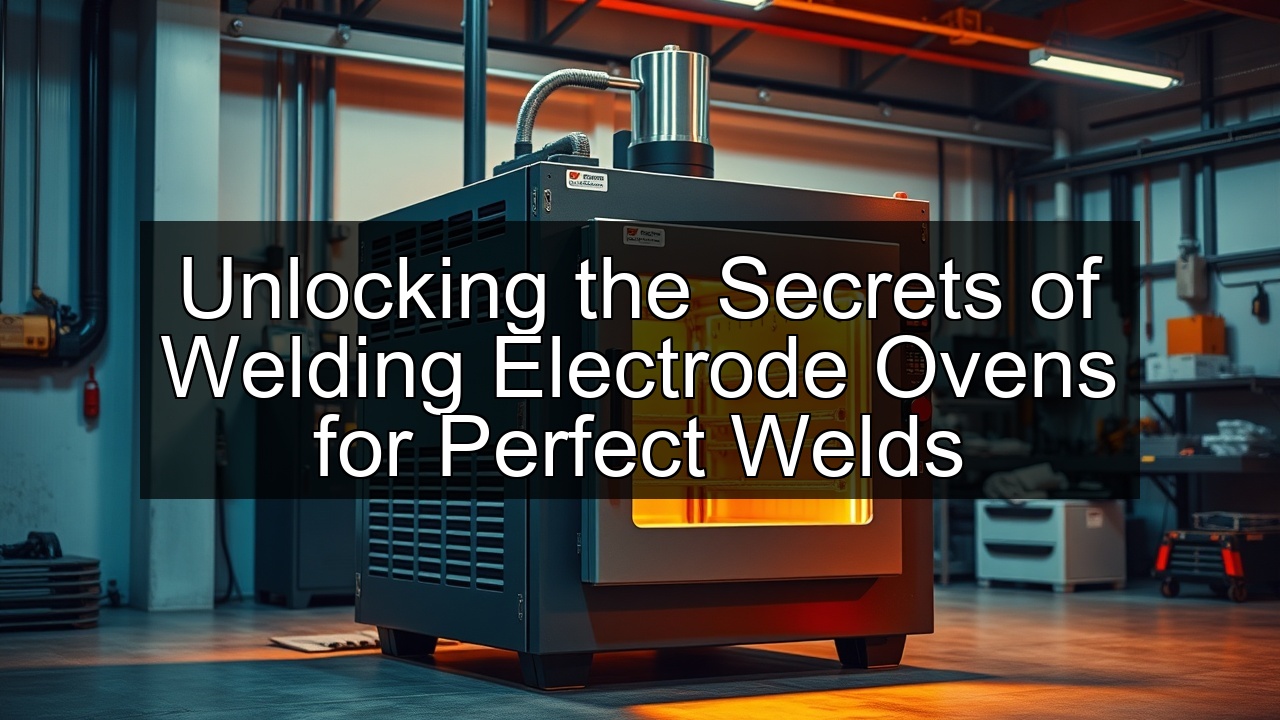
Understanding Welding Electrode Ovens
What is a Welding Electrode Oven?
A welding electrode oven is a specialized equipment designed to maintain and restore the moisture content of welding electrodes. These ovens function primarily by heating the electrodes to a specified temperature, ensuring that they remain dry and effective for welding applications. The ideal moisture content for electrodes is crucial, as excessive moisture can lead to weld defects such as porosity and lack of fusion. Manufacturers produce a variety of electrode ovens, ranging from compact units for light-duty tasks to large-scale ovens capable of housing up to 450lb of electrodes. Each model serves a specific purpose, catering to different welding processes like TIG and MIG.
Importance of Proper Electrode Storage
Proper storage of welding electrodes directly impacts the quality of welds. Electrodes that absorb moisture can introduce hydrogen into the weld pool, resulting in hydrogen-induced cracking and other defects. Storing electrodes in a controlled environment, such as a welding electrode oven, minimizes these risks. A well-maintained welding oven ensures that electrodes remain in peak condition, ready for use when needed. This not only enhances the quality of the welds but also extends the life of the electrodes themselves. Customers who prioritize effective electrode storage often see a marked improvement in their welding quality and productivity.
How Welding Ovens Enhance Weld Quality
Welding ovens enhance weld quality by providing the necessary conditions for optimal electrode performance. By maintaining precise temperature control, these ovens prevent moisture absorption and ensure that the flux coating on electrodes remains intact. Properly stored electrodes allow for smoother arcs, better penetration, and improved overall weld aesthetics. In addition, when welders use dry electrodes, they experience fewer issues with spatter and slag, leading to cleaner finishes and reduced cleanup time. Investing in a welding electrode oven translates to better welds and lower defect rates, making it an essential tool for professionals in the welding industry.
Key Features of Welding Electrode Ovens
Temperature Control and Regulation
Temperature control stands as one of the most critical features in welding electrode ovens. A precise temperature range allows welders to dry electrodes effectively without damaging them. Most high-quality ovens offer adjustable temperature settings, typically ranging from 250°F to 600°F, accommodating various types of electrodes and their unique requirements. Moreover, advanced models come equipped with digital displays and programmable settings, enabling users to monitor and adjust temperatures easily. Maintaining the right temperature not only prolongs the electrode's lifespan but also enhances the quality of welds produced. Therefore, when choosing a welding electrode oven, prioritize models with reliable temperature regulation features.
Oven Capacity: Choosing the Right Size
Capacity plays a vital welding electrode drying oven role in selecting the appropriate welding electrode oven for your needs. Smaller ovens may suffice for individual welders or small workshops, while larger operations might require ovens with the capacity to handle up to 450lb of electrodes. Assess the volume of work and types of electrodes used to determine the size that will serve you best. A larger capacity oven allows for simultaneous drying of various electrodes, catering to different welding processes like TIG and MIG. Additionally, having ample space reduces the need for frequent loading and unloading, improving workflow and efficiency in busy welding environments.
Popular Brands: A Focus on Lincoln Electric
Lincoln Electric stands out as a leading manufacturer of welding electrode ovens, known for its quality and reliability. Their range of products includes several models that cater to diverse needs, from compact ovens for small tasks to robust units for high-demand environments. Lincoln Electric's ovens feature advanced temperature control systems and user-friendly interfaces, making them a preferred choice among customers. Other brands also offer competitive models, but Lincoln Electric consistently garners positive customer testimonials for their durability and performance. When investing in a welding electrode oven, consider reputable brands like Lincoln Electric to ensure quality and longevity.
Using Welding Electrode Ovens Effectively
Preparing Electrodes for Drying
Preparing electrodes for drying involves a few essential steps to maximize the effectiveness of the welding electrode oven. First, inspect the electrodes for any visible damage, such as cracks or breaks, as compromised electrodes may not perform well regardless of drying conditions. Next, clean the electrodes to remove any contaminants that may have accumulated during storage. This includes oils, dust, or moisture that can interfere with the welding process. Once cleaned, place the electrodes in the oven, ensuring they are spaced adequately to allow proper airflow and heat distribution. Following these preparation steps ensures that the electrodes receive optimal drying conditions, leading to welding accessories superior welds.
Best Practices for Operating Your Oven
Operating a welding electrode oven effectively involves adhering to best practices that ensure consistent performance and longevity. First, always preheat the oven according to the manufacturer's instructions before loading electrodes. This step guarantees that the environment inside the oven is optimal for drying. Monitor the temperature regularly to avoid overheating, which can damage the electrodes. Additionally, maintain the oven's cleanliness by removing any debris or residue that accumulates over time. Regular maintenance checks will help detect any potential issues early, ensuring that your oven operates at peak efficiency. Following these best practices maximizes the benefits of your welding electrode oven, enhancing the quality of your welds.
Common Mistakes to Avoid
Many welders make common mistakes when using welding electrode ovens that can lead to subpar results. One frequent error is neglecting to check the moisture content of electrodes before use. Even after drying, some electrodes may still have residual moisture that can affect the welding process. Another mistake is overcrowding the oven, which restricts airflow and prevents even heating. Avoid setting the temperature too high, as this can damage the electrodes and their flux coating. Lastly, overlooking regular maintenance can lead to malfunctioning equipment, impacting productivity. By steering clear of these pitfalls, welders can achieve superior results and maintain the integrity of their welding supplies.
Choosing the Right Welding Electrode Oven for Your Needs
Comparing Brands and Models
Choosing the right welding electrode oven involves careful comparison of brands and models to identify the best fit for your specific requirements. Look welding accessories for features that align with your welding processes, such as temperature control, capacity, and energy efficiency. Brands like Lincoln Electric offer various models with unique attributes, catering to different welding environments. Read customer reviews and testimonials to gain insights into each brand's reliability and performance. Additionally, consider the warranty and customer support options provided by manufacturers, as these factors can influence long-term satisfaction with your oven.
Understanding the Needs of Different Welding Processes (TIG, MIG, etc.)
Different welding processes necessitate different types of electrodes, and understanding these needs is crucial when selecting a welding electrode oven. TIG welding often requires low hydrogen electrodes, which are particularly sensitive to moisture. In contrast, MIG welding uses a broader range of electrodes, and the storage conditions can impact their performance. Ensure that the oven you choose can accommodate the specific types of electrodes you use regularly. By aligning your welding electrode oven with the requirements of your welding processes, you enhance your ability to produce high-quality welds consistently.
Customer Testimonials and Recommendations
Customer testimonials and recommendations serve as valuable resources when choosing a welding electrode oven. Many welders share their experiences regarding specific brands and models, providing insights into performance, durability, and ease of use. Look for reviews that highlight how different ovens impact welding quality, efficiency, and overall satisfaction. Engaging with local welding communities, forums, or online platforms can also provide firsthand feedback on various products. By considering the experiences of other users, you can make a more informed decision, ensuring that your investment in a welding electrode oven pays off in superior welds and enhanced productivity.
See Also
- From Manufacturer to Customer Exploring the Best Welding Ovens
- Exploring the Environmental Impact of Welding Electrode Ovens
- Top Tips for Maintaining Your Welding Electrode Oven
- How to Maximize Efficiency with Your Welding Electrode Storage System
- Innovative Features to Look for in Modern Welding Electrode Ovens